
The winter months can be tough for everyone who works in the equine industry, but it is also tough for the horses themselves. Owners across the country will be familiar with the challenges that colder temperatures, wetter weather, and prolonged periods indoors can bring. These changes increase the demands on the stable, making it essential that you’re doing all you can to ease the pressure.
In this quick guide, we will outline seven checks owners can complete before and during winter. Discover our 7 essential winter stable maintenance checks.
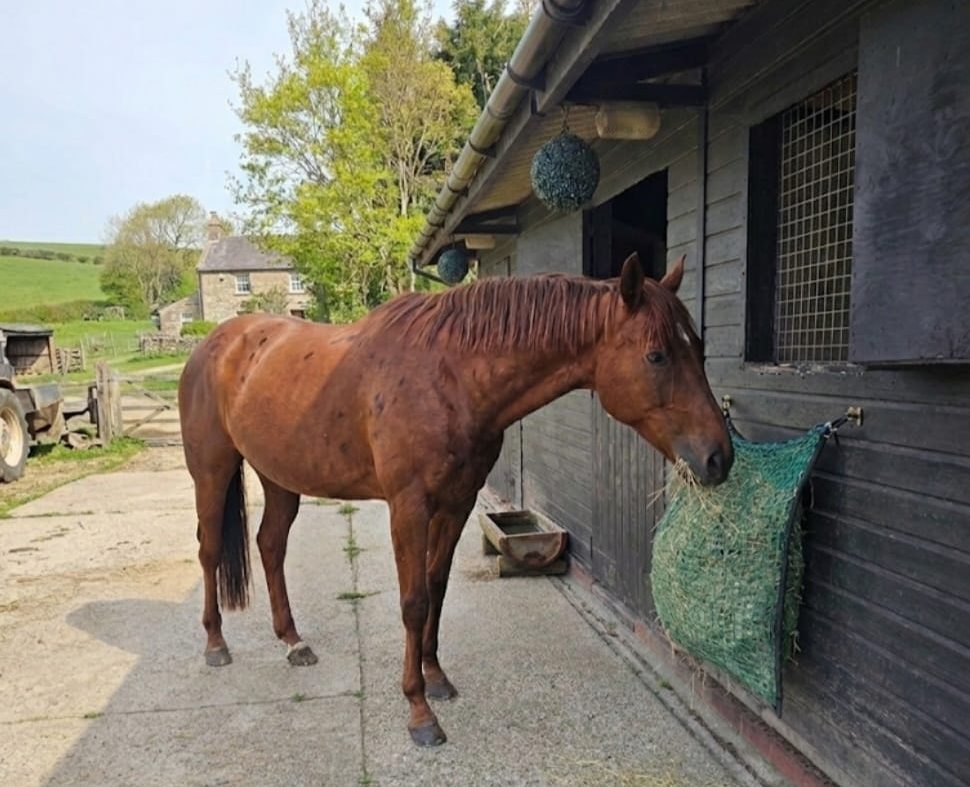
The first check in your winter stable maintenance should be the actual structure. A damage- and leak-free stable goes a long way in caring for your horse during the winter. Be sure to inspect the roof, walls, and doors and search for obvious cracks. Any leaks should be addressed before the persistent winter rain creates damp bedding or unsafe areas.
Be sure to keep an eye on your gutters and any other drainage to help divert winter rain. Keeping your horse dry goes a long way in making them comfortable during the winter.
Ventilation is very important to consider when carrying out our winter stable maintenance. Your stable should be protected without becoming sealed and stuffy, allowing for ample airflow. Be sure to check all vents for obstructions and remove any cobwebs or dust that could impact air quality.
It is important to note that ventilation is what you want, not a draught. A draught is when the outside harsh conditions can cause issues with the interior.
Water pipes freezing during the winter is something we have all had to deal with. While some areas are impossible to stop from freezing over, there are a handful of things you can do to minimise the disruption of your water freezing over. We recommend checking exposed pipes and taps before the temperatures drop and insulating accessible pipework where possible.
Should your pipes freeze during the winter, it is an important part of winter stable maintenance to have a backup plan when this happens. We also encourage you to carry out routine checks of buckets and troughs.
There are a handful of things you can do to make your dark yard safer during the winter.
Before it’s too late, replace failed or faulty light bulbs and inspect key working areas. Make sure you prioritise stable entrances, feed areas and commonly used paths. Visibility is key when the hours of daylight are limited in the winter.
Ensure you are well-stocked with grit in order to tackle the inevitable ice and mud the winter brings. With proper drainage in high-traffic areas, you can make a big difference in reducing the impact of ice and mud during the winter. Consider making improvements during the summer.
Winter forage and bedding supplies can be in short supply when others require more than normal to combat the colder weather. Be sure to stock up early and store it somewhere dry and protected.
With more time spent indoors during bouts of poor weather, horses may end up losing their expected foraging time. This is why it is important to have an indoor solution in mind. We recommend a slow-feed hay net that can control forage access and reduce waste during the winter.
Explore our slow-feed hay nets.
No one wants to be out in the cold and wet longer than they have to, which is why we recommend creating a simple daily winter checklist. This should include: water accessibility, bedding condition, feeding equipment, lighting and walkway safety.
Discover some of the most frequently asked questions about winter stable maintenance.
Preparation time differs for each person, but we recommend looking to start your winter stable maintenance around early autumn/pre-winter, with maintenance continuing throughout the colder months.
Regular checks should be made for things such as water, bedding and general safety. Structural seasonal checks can be done less frequently.
We recommend investing in one of our knotless slow feed hay nets, designed to reflect natural forage and reduce hay waste.
While a draught-free winter sounds good, appropriate ventilation is still necessary to improve airflow and quality. However, you still want to avoid harsh draughts.